

Protein powder can be a great way to boost the protein in cakes, brownies, cookies, and other baked treats. After years of baking with protein powder, I've learned what works, what doesn't, and a few simple changes that can make a big difference. In this guide, I'll share my best tips, answers to common questions, and my favorite protein dessert recipes. New to protein baking? Save this guide for later so you can come back whenever you need a refresher.

Jump to:
Can You Bake With Protein Powder?
Yes! Protein powder can be a great addition to cakes, cookies, brownies, muffins, and bars. It boosts the protein content of baked goods while also adding structure.
The key is understanding that protein powder doesn't behave like regular flour. Not all protein powders bake the same way, and using too much can make baked goods dry, dense, or rubbery. It should usually complement flour rather than replace it entirely.
In most recipes, protein powder works best when paired with ingredients that add moisture, such as olive oil, butter, Greek yogurt, and applesauce. I love combining protein powder with oat flour because it creates a softer texture while boosting the fiber and overall nutrition.
Once you understand how protein powder behaves, it's surprisingly easy to create protein desserts that are moist, fluffy, and delicious.
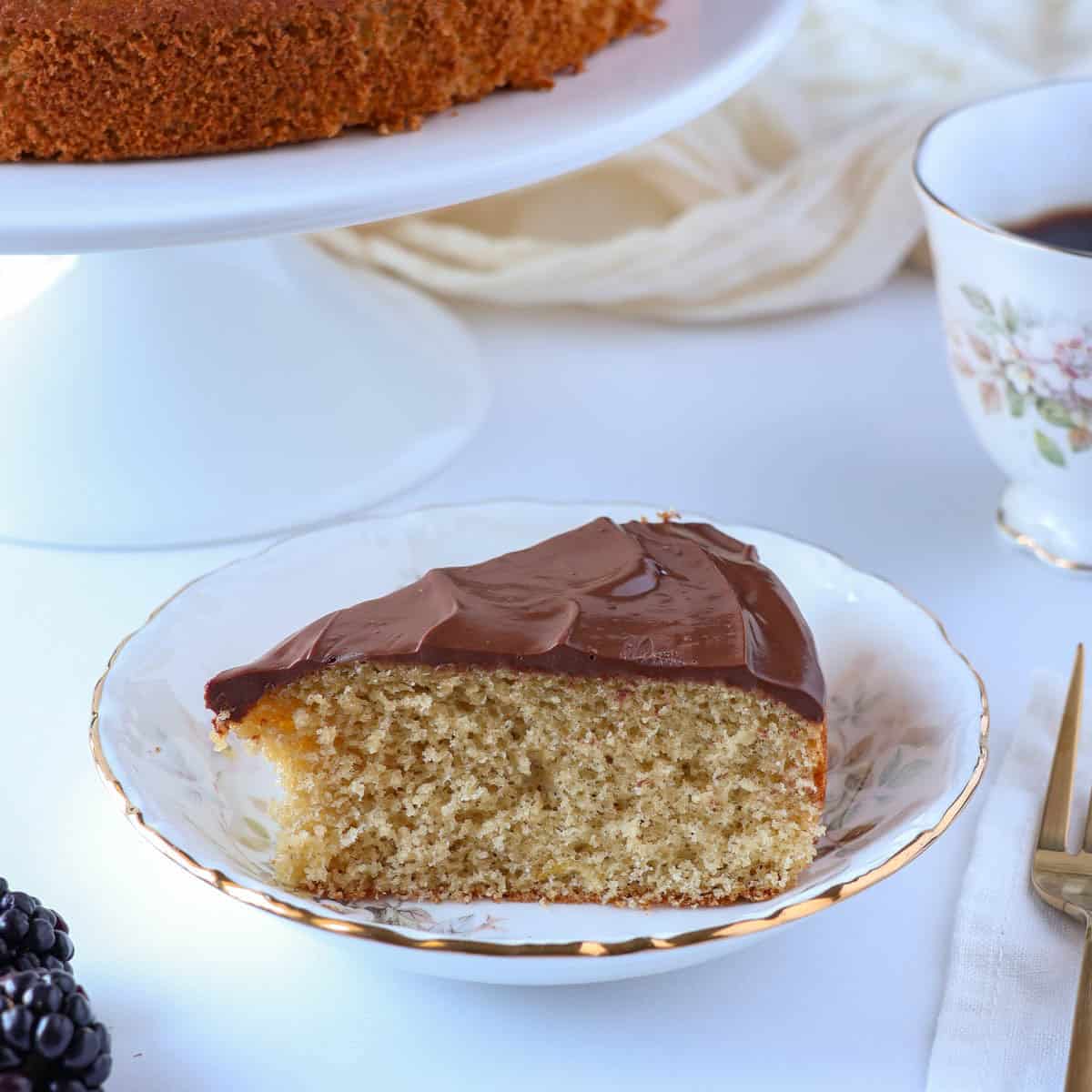
The Best Protein Powders for Baking
Not all protein powders bake the same way. Some are more absorbent than others and can lead to dry baked goods. If you're new to baking with protein powder, here's a quick overview of the most common types and how they perform in baked recipes.
| Protein Powder | Best For | Texture |
|---|---|---|
| Whey Protein Concentrate | Cakes, muffins, cookies, brownies, and bars | Soft, tender, and moist |
| Whey Protein Isolate | High-protein baking | Slightly drier; benefits from extra moisture |
| Casein Protein | Brownies, bars, and cookies | Thick, chewy, and fudgy |
| Plant-Based Protein | Vegan baking | Dense texture; varies by blend |
Whey Protein Concentrate
Whey protein concentrate is my favorite type of protein powder for baking. It tends to produce a softer texture than whey isolate and works well in cakes, muffins, cookies, brownies, and bars. It's the protein powder I use most often in my protein dessert recipes.
Because it contains a small amount of fat and carbohydrates, it usually produces baked goods that are moister and more tender. If you're only going to keep one protein powder in your pantry for baking, whey concentrate is a great choice.
Whey Protein Isolate
Whey protein isolate contains more protein and less fat than whey concentrate. It can work well in baked goods, but because it tends to absorb more moisture, be sure your recipe includes moisture-rich ingredients like olive oil, butter, Greek yogurt, or applesauce to help keep baked goods soft and moist.
Casein Protein Powder
Casein protein powder absorbs more liquid than whey protein, creating a thicker batter. It can be a great choice for protein bars, cookies, and brownies, where a dense, chewy, or fudgy texture is desirable.
Because casein absorbs so much moisture, recipes usually benefit from additional liquid or moisture-rich ingredients such as Greek yogurt, applesauce, or healthy fats.
Plant-Based Protein Powder
Plant-based protein powders can be used in baking, but they often absorb more moisture than whey protein and may create a denser texture. The exact results will vary depending on the blend, but many plant-based protein powders benefit from extra moisture and fat, such as applesauce, Greek-style dairy-free yogurt, or nut butter.
When baking with plant-based protein powder, you may need to experiment with the liquid-to-dry ratio to achieve the desired texture.
Sweetened vs. Unsweetened Protein Powder
Another thing to consider is whether your protein powder is sweetened. Many protein powders contain sweeteners such as stevia, monk fruit, sucralose, or sugar alcohols, which can affect both the flavor and sweetness of baked goods.
If you're using a sweetened protein powder, you may be able to reduce the sweetener in the recipe. Unsweetened protein powders offer more flexibility since you can control the sweetness yourself.
I often reach for protein powders sweetened with stevia or monk fruit since they can help reduce the amount of added sugar needed in a recipe.
Tips for Baking With Protein Powder
Don't Use Too Much Protein Powder
When it comes to protein powder, more isn't always better. Adding too much can make baked goods dry, dense, or chalky. I'm all for boosting the protein, but a treat should still taste like a treat. I prefer to balance protein and carbs to create something you'll actually enjoy eating.
If you're adapting a traditional recipe, start by replacing about one-third of the flour with protein powder. If you like the results, you can experiment with using a little more next time. In some of my protein dessert recipes, I use up to 50% protein powder with great results.
Add a Little Cornstarch for a Lighter Texture
Adding a small amount of cornstarch can help create a softer, lighter texture in protein baked goods. I often add a couple of tablespoons of cornstarch to recipes like my Protein Cake to create a softer crumb and give baked goods a little extra lift.
Add Moisture-Rich Ingredients
Ingredients like butter, olive oil, Greek yogurt, cottage cheese, banana, applesauce, and nut butters can help balance the moisture-absorbing properties of protein powder. One of my favorite combinations is grass-fed butter and olive oil, which I use in several of my protein dessert recipes.
Don't Overbake
Protein desserts can dry out quickly if they're left in the oven too long, so I like to check them a few minutes before the suggested bake time. I usually pull them from the oven when a toothpick inserted in the center still has a few moist crumbs attached.
Adjust Sweeteners as Needed
Many protein powders contain sweeteners such as stevia, monk fruit, or sucralose. Depending on the brand you use, you may be able to reduce the amount of sweetener called for in the recipe. I personally like protein powders sweetened with stevia or monk fruit because they allow me to use just a small amount of maple syrup or honey while still creating a perfectly sweet treat.
Frequently Asked Questions About Baking With Protein Powder
Not usually. While protein powder can replace a portion of the flour in many recipes, it shouldn't replace all of it. Unlike flour, protein powder doesn't provide the same structure, so using too much can lead to dry, dense, or rubbery baked goods.
If you're adapting a traditional recipe, I recommend starting by replacing about one-third of the flour with protein powder. Once you see how the recipe turns out, you can experiment with using a little more. In some of my protein dessert recipes, I replace up to 50% of the flour with protein powder while still getting a soft, delicious texture.
No. This is a common myth. While heat changes the structure of protein (called denaturation), it doesn't significantly reduce the amount of protein in your baked goods. In other words, your protein cake or cookies will still provide the protein listed in the recipe after baking.
Yes! Plant-based protein powder can work well in baked goods, but they absorb more moisture than whey protein. If you're adapting a recipe made with whey protein, you may need to add a little extra liquid to achieve a similar texture.
Protein desserts are more likely to dry out because protein powder absorbs more moisture than flour. If a recipe contains too much protein powder or not enough liquid, the final result can end up dry or dense. To help prevent this, pair protein powder with ingredients like healthy fats, Greek yogurt, cottage cheese, banana, or applesauce. I also recommend checking your baked goods a few minutes before the suggested bake time since overbaking can quickly dry them out.
Best Protein Dessert Recipes
Ready to start baking? These are the protein dessert recipes I make again and again, and each one is designed specifically for baking with protein powder.
Protein Cakes & Cupcakes

The Best Protein Cupcakes (Healthy)
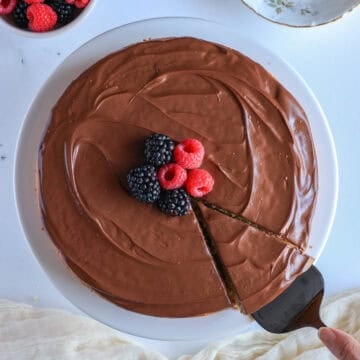
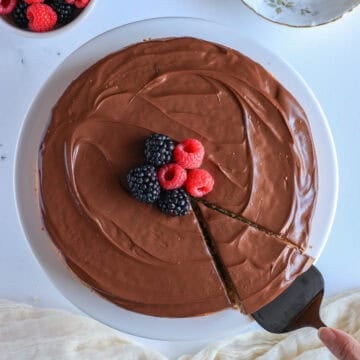
Protein Cake (Moist & Fluffy!) with 2-Ingredient Fudge Frosting
Chocolate Protein Mug Cake (made with oat flour)
Protein Brownies & Bars
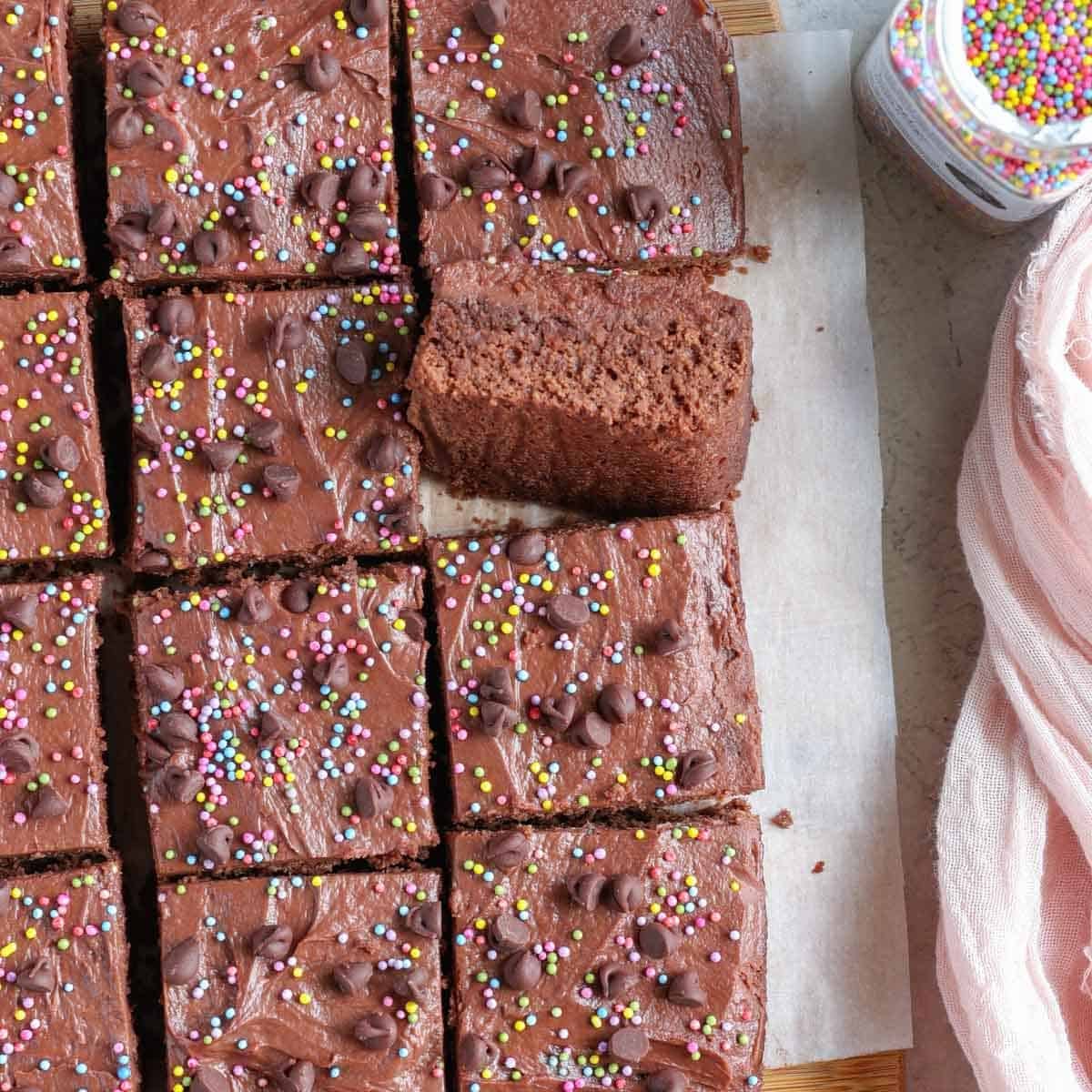
Healthy Protein Brownies (Made with Oat Flour)
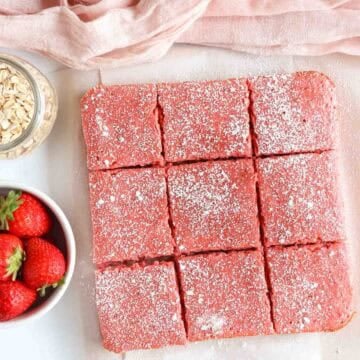
Strawberry Protein Bars
Lemon Protein Bars
Healthy Cosmic Protein Brownies
Protein Cookies
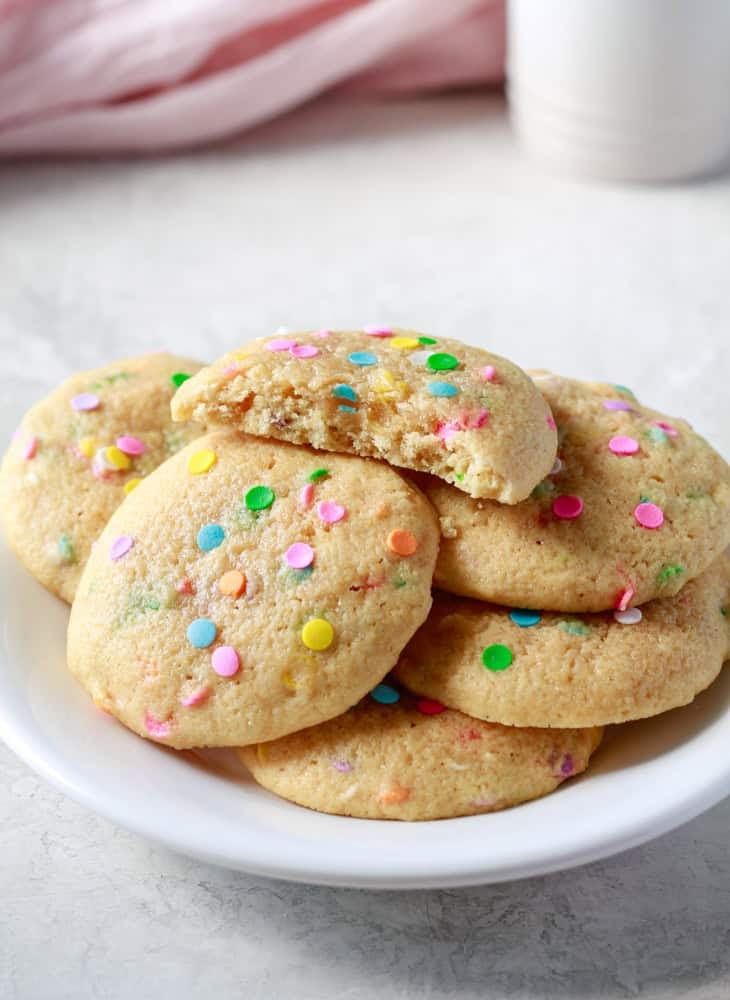
Homemade Birthday Cake Protein Cookies
Banana Protein Cookies
Peanut Butter Protein Cookies (Soft, Easy + Gluten-Free)
Protein Breads & Muffins
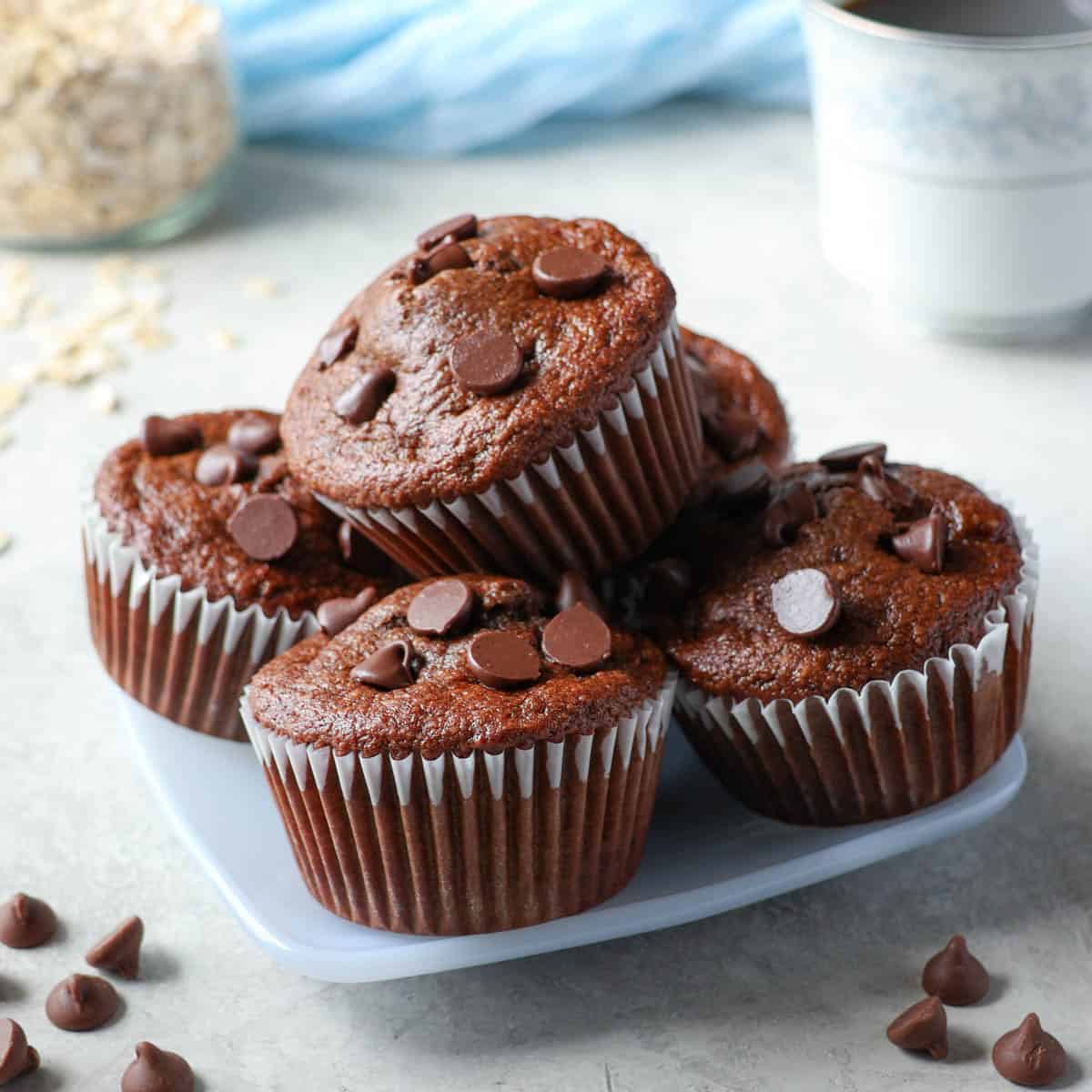
Chocolate Protein Banana Bread
Chocolate Banana Protein Muffins
Protein Pumpkin Bread
Collagen Blueberry Muffins
Protein Puddings

Silken Tofu Pudding (Easy)
Chocolate Protein Mousse With Collagen
Vegan Protein Pumpkin Breakfast Pudding (250 Calories!)
Baking with protein powder can take practice, but once you understand how it behaves, it's easy to create delicious, protein-packed treats. Don't be afraid to experiment with different protein powders and ingredients to find what works best for you.
I hope this guide gives you the confidence to start baking! If you try one of my protein dessert recipes, I'd love to hear what you think in the comments.
Happy baking!
– Crystal

Comments
No Comments